

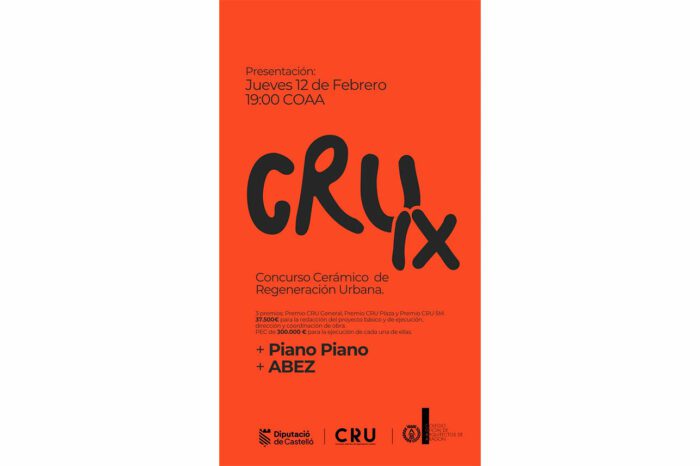
We presented our project ‘El camino de la almazara’ at the COAA
Last February 12th, we presented our project ‘El camino de la Almazara’,— the adaptation of a former oil mill and washhouse space and the regeneration of its natural surroundings — at the COAA, the Official College of Architects of Aragón, at its headquarters in Zaragoza.

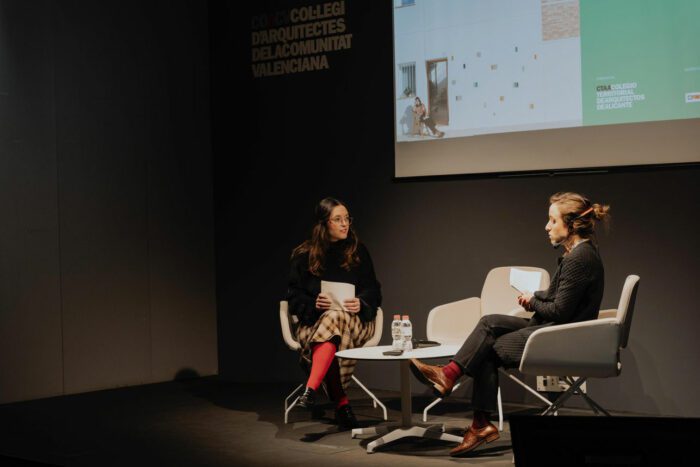
Relevo: Piano Piano at the CTAA
On January 14th, we were at the CTAA (College of Architects of Alicante) discussing our architecture as part of Relevo, a lecture series where the participating architecture firms themselves decide who will speak next. We warmly and affectionately received the baton from Horma and, in turn, passed it on to Lourdes García Sogo.
In our talk, we wanted to invite people to see architecture as a territory of constant discovery, as a process made up of a multitude of arbitrary and fascinating things—intuitions, references, and discoveries—that may not have as much value if they remain isolated, but which can provide a suitable response if they are coherently interwoven in a shared narrative.
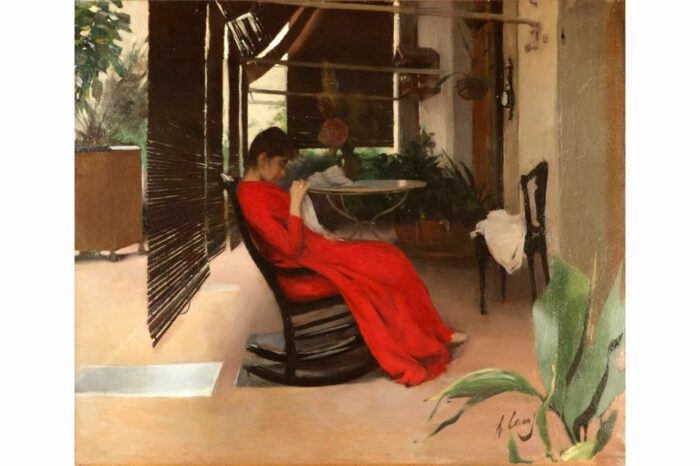
Mediterranean architecture is not a style, it is a responsibility
Para hacer una buena arquitectura, en nuestra opinión, es fundamental repensar los proyectos desde una perspectiva local que atienda a las características climáticas del lugar en el que se ubica. Y más aún en un mundo globalizado y deslocalizado de crisis climática como en el que nos encontramos.
A nosotras nos interesa la arquitectura vernacular porque habla de raíces, de lugares concretos y ayuda a generar la conciencia de un territorio adaptándose a su clima, cultura y recursos. Y nos interesa la arquitectura mediterránea especialmente porque es la arquitectura a la que nos atamos geográfica y emocionalmente.
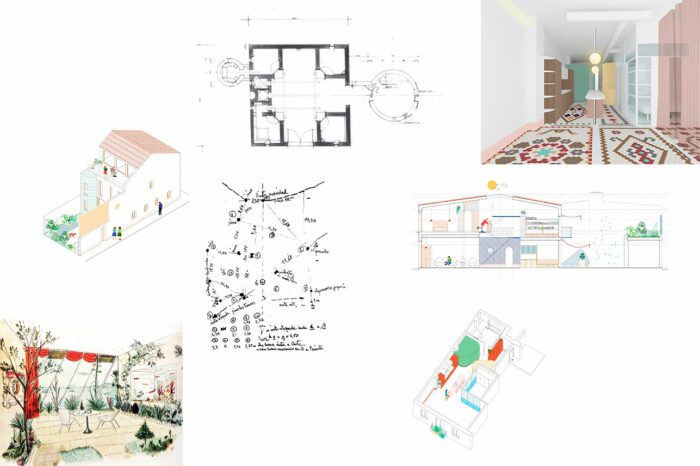
What is a preliminary design in architecture
Beginnings are not easy, that is true, but at Piano Piano Studio we are excited to deploy all the necessary tools to start imagining the dream space of those who come to the studio and place their trust in us.
At the start of the process, there is that intoxicating feeling that everything is allowed, that everything is possible. However, nothing could be further from the truth. The apparent infinity of solutions can even be overwhelming. Little by little, this idea fades as constraints begin to appear. And it is precisely at this point that the real work begins: these constraints become the foundation on which the project starts to take shape and mark the true beginning of the preliminary design phase.
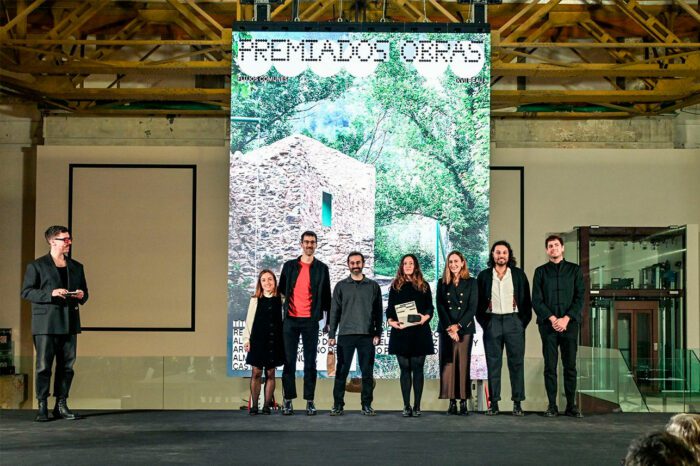
‘El camino de la almazara’ has been selected as one of the eighteen awarded works at the 17th Spanish Biennial of Architecture and Urbanism (BEAU) / Flujos Comunes
Nuestro proyecto ‘El camino de la almazara’, la regeneración del espacio almazara-lavadero en la aldea La Artejuela, Arañuel, realizado junto a mha y Carpe, ha resultado una de las dieciocho obras premiadas en la XVII Bienal Española de Arquitectura y Urbanismo (BEAU) /Flujos Comunes comisariada por Ander Bados y Miguel Ramón e impulsada por el Ministerio de Vivienda y Agenda Urbana, el Consejo Superior de Colegios de Arquitectos de España (CSCAE) y la Fundación Arquia.
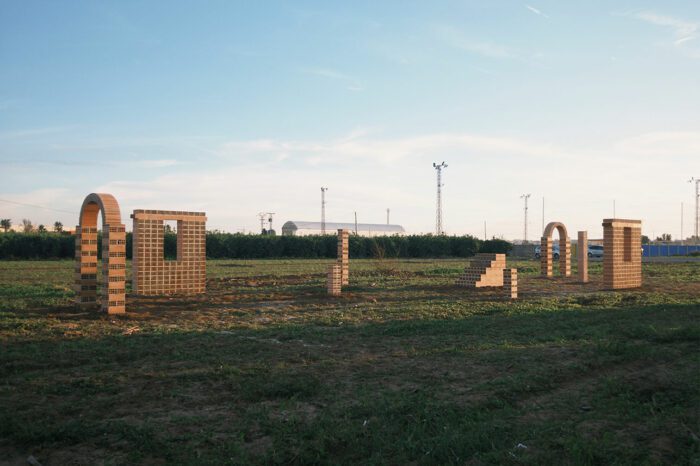
Menjar rajoles?: our temporary installation at Miradors de l’horta Festival 2025
Until November 9, you can visit the temporary installation we have built together with Carpe and mha for the Miradors de l’horta 2025 festival in the municipality of Bonrepòs i Mirambell. As every year, it is held in the towns of the Mancomunitat del Carraixet (on this occasion, the participants are Bonrepòs i Mirambell, Vinalesa, Foios, and Alfara del Patriarca) with the aim of highlighting the agricultural landscape, sustainability, and local products, and encouraging visitors to develop a more conscious relationship with the orchards and redirect their gaze towards this natural and cultural heritage.
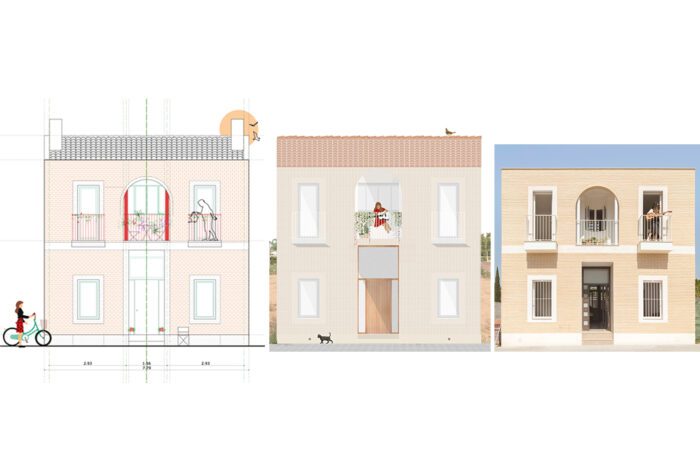
Building a house step by step
Making the decision to build a house, whether it is a new build or a renovation or refurbishment of an existing property, is a challenge that involves effort on many levels for those undertaking it: financial above all, but not only. Making good or bad choices at the outset will mean that the process, which is already long in itself, will be either satisfactory or tortuous.
In this short text, rather than focusing on the steps to follow in a renovation or refurbishment (we will focus on this on another occasion as it has its own specificities), we would like to focus on the steps to follow in building a house, from the moment the idea is conceived until it becomes a reality.
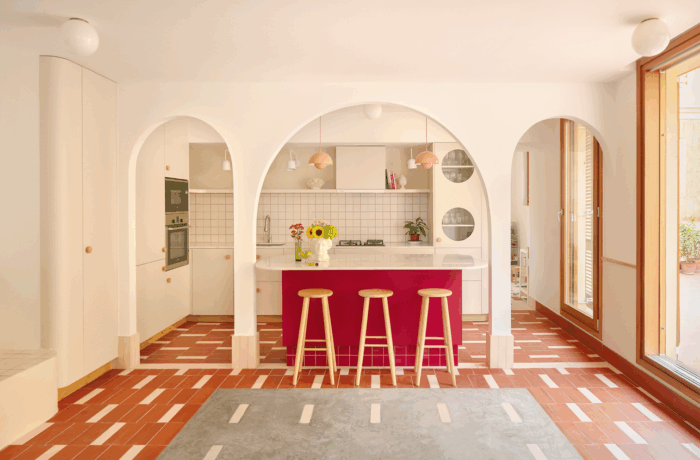
The skin we inhabit: the use of ceramics in our projects
When it comes to dressing our architecture and design projects, we need only look at our neighbors. Tall or short, wide or narrow, yet always wrapped in similar skins. It’s not just tradition — though that too — but an awareness of embracing what surrounds us. In that sense, it’s also a matter of respect.
Beggining of a new season
Hello!
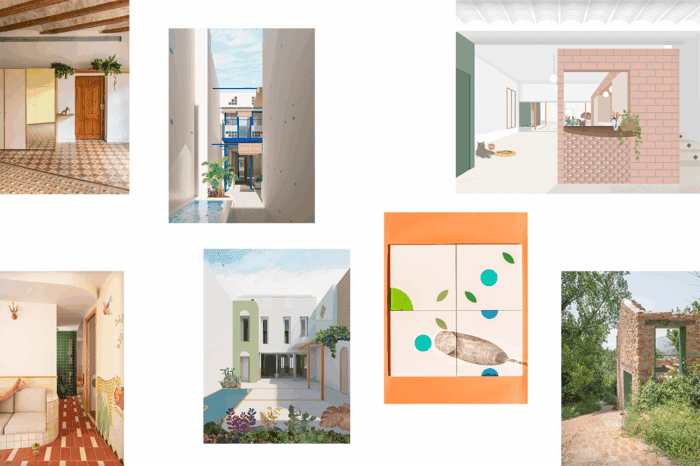
On our renewed website, we would like to share a closer follow-up of the projects we are currently working on at Piano Piano. And what better moment to start than September. We know it is not the beginning of a natural year, but for us, this pause after the summer holidays feels like the start of new experiences. As many know, construction doesn’t come to a complete halt in August, but it does allow, whether by choice or necessity, for a slower pace. So after disconnection and rest, projects are born or continue.
Housing equity… I still don’t know what it means, but I like how it sounds
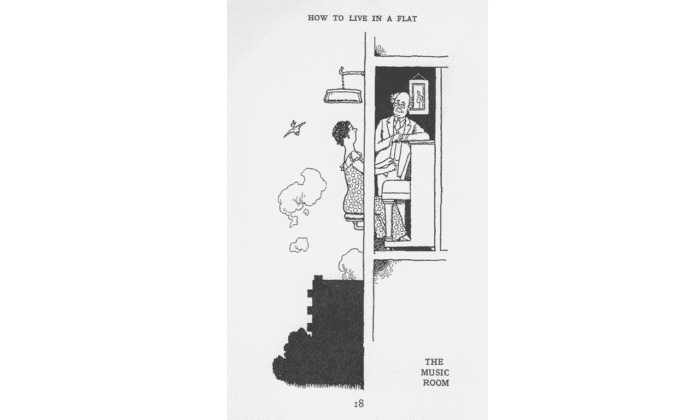
The list of texts and analyses that we, those interested in inhabiting and domesticity, read in these strange days due to the long shadow projected by the COVID-19 is infinite. However it is understandable, since almost without realizing it, circumstances have forced us to be confined in our houses, which have become necessarily the place in which we are forced to carry out all the daily activities that we used to perform in very different environments….
Our spaces with name and surname
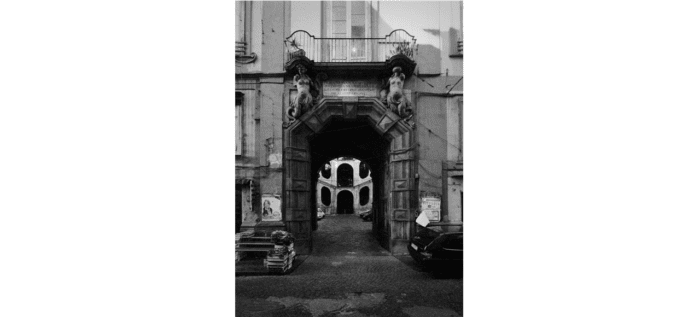
Let’s make a memory exercise: think at squares or parks where we have felt at ease, and, for an unknown reason, we have pleasant memories from different stages of our lives. Let’s do it with the eyes of the profane, of those who are not aware of their concerns related to the city. Let’s think of those places in which the experiences we have lived there make us smile, urban spaces in which our memories have been formed…
The beginnings
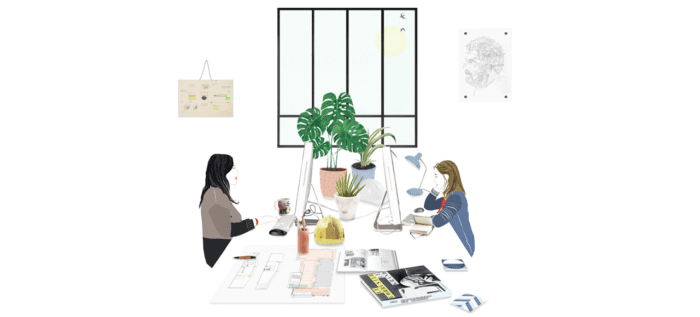
Not sure if for better or worse, the truth is that we have started our professional career in a post-post crisis stage. In a way, we take a kind of an optimistic approach, since it allows us to look at it in a different way. Not with anxiety, as those who were at the top of their careers in the pre-crisis period, and who lived the crisis and post-crisis with distrust, but (at least that is our intention) with good judgment and an appropriate distance…